
Marathon RelocationMoving Guide & Checklist
Master Your Move: The Ultimate Execution Playbook
A smooth, zero-stress move doesn't happen by accident—it’s built on proactive preparation, precise scheduling, and tactical organization. Whether you are moving across the street in NYC or relocating across state lines down the East Coast, proper execution separates a chaotic move day from an effortless transition.
Below is our master guide, complete with pre-move preparation timelines, professional packing rules, move-day expectations, and essential post-move steps to help you master every phase of your move.
Enter your pickup and drop-off locations below, or call us at (212) 920-6046.
- Guaranteed binding flat-rate pricing
- Free Certificates of Insurance (COI)
- USDOT - 4534735 · MC - 46816932 · NYSDOT - 43569
- Available 365 days a year, 7:00 AM – 10:00 PM
1. Weeks Before Move Day (Preparation & Decluttering)
How far in advance should I start preparing for my move?
You should begin preparing 6 to 8 weeks before your scheduled move date. Start by auditing every room and separating items you no longer need. Selling, donating, or recycling unwanted furniture and clothing reduces total shipment volume, which directly lowers your fixed-rate quote.
How do I handle building permits, COIs, and elevator bookings?
At 3 to 4 weeks out, contact building management at both your current and new locations to reserve dedicated service elevator slots and loading dock access. Request your building's specific Certificate of Insurance (COI) requirements (including minimum liability amounts and additional insured entities) and forward them to your Marathon Relocation coordinator so we can issue your free COIs immediately.
What should I do with my utilities and official address updates?
Schedule your utility disconnects (electricity, gas, water, internet) for the day after your move, and set up activation at your new home for the day before you arrive. File your official change of address with the USPS and update billing addresses across bank accounts, credit cards, insurance policies, and subscription services at least 2 weeks in advance.
2. Days Before Move Day (Packing & Prep)
What is the best strategy for packing boxes securely?
Follow the fundamental golden rule: heavy items go in small boxes, light items go in large boxes. Dense items like books, tools, and canned goods belong in small, sturdy boxes so they remain manageable. Heavy-duty wardrobe and utility boxes should be reserved for lighter items like linens, blankets, pillows, and winter coats. Always fill air gaps with packing paper or towels to prevent box collapse when stacked on the truck.
What should I pack in my "Day-One" essentials bag?
Keep a personal bag with you that never goes onto the moving truck. This bag should contain essential toiletries, a change of clothes for two days, phone chargers, daily prescription medications, key personal/financial documents (passports, leases, deeds), and basic tools or bedding for your first night in the new home.
How should I prepare appliances and electronics prior to crew arrival?
Unplug, defrost, and completely dry out fridges and freezers at least 24 to 36 hours before transport to avoid water leakage on move day. Disconnect electronics, take photos of cable setups for easy reassembly, and store hardware (screws, TV mounts, cables) in labeled Ziploc bags securely attached to the equipment.
3. On Move Day (Execution)
What should I expect when the moving crew arrives?
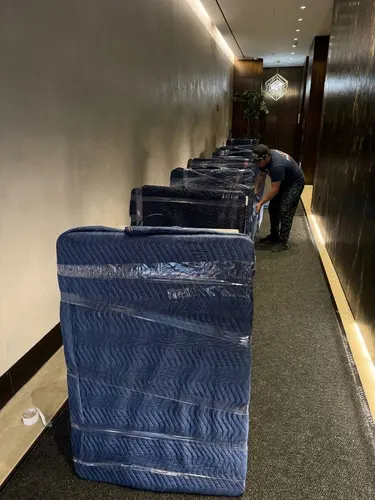
Our athletic crew will conduct an initial walk-through with you to review high-priority items, fragile pieces, and room destinations. They will immediately lay down floor runners and doorframe padding before applying heavy quilted moving blankets and industrial shrink-wrap to all non-boxed furniture before anything leaves your door.
Do I need to be present during the entire move process?
Yes, either you or an authorized representative (18 or older) must be present at both origin and destination. Someone needs to answer access questions, sign the initial bill of lading, direct room placements, and perform the final walkthrough before the crew departs.
How are high-value, fragile, or specialty items handled on move day?
Fragile glass tops, large mirrors, TVs, and valuable artwork are padded, corner-protected, and custom-wrapped in heavy cardboard or crating before loading. Point these items out during the initial walkthrough so the crew leader can position them in designated shock-absorbing zones on the truck.
What happens if parking or elevator delays occur during loading?
Our teams anticipate standard NYC parking logistics and building elevator schedules. Because you have a locked-in fixed rate, minor parking adjustments or elevator queues won't balloon your invoice with hourly overage penalties—our team handles the logistics directly.
4. After the Move (Settling In & Post-Move Checklist)
What are the first things I should do upon arrival at my new home?
First, conduct a final walk-through with your team leader as items are offloaded to ensure everything is placed in its designated room. Check off high-value items against your initial inventory list and verify that main appliances and utility connections are functional before the crew departs.
How should I prioritize unpacking my belongings?
Start with your "Day-One" essentials bag and establish your sleeping area immediately by setting up beds and linens first. Next, unpack essential bathroom toiletries and kitchen basics. Leave non-essential storage, decor, books, and seasonal wardrobes for the days following move day so you don't overwhelm yourself on night one.
What should I do with empty moving boxes and packing materials?
Break down all cardboard boxes flat and bundle them together. If you rented plastic moving bins or arranged for post-move debris pickup through Marathon Relocation, stack them in a designated clear area for easy collection. Otherwise, check local municipal recycling schedules for cardboard and paper pickup days.
When should I inspect items and report any issues?
Inspect furniture and fragile items as you unpack over the first 24 to 48 hours. While our athletic teams take extreme precautions to protect every item, if you notice any discrepancies or transit issues, contact your Marathon Relocation representative immediately so we can address it promptly under your policy.
Can't find the answer to your question?
Reach out to us.
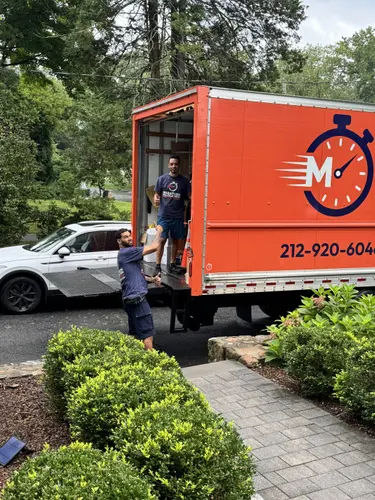
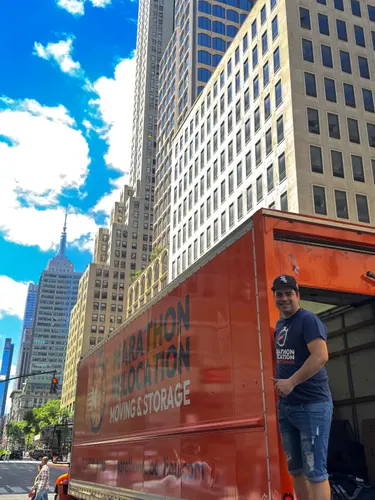
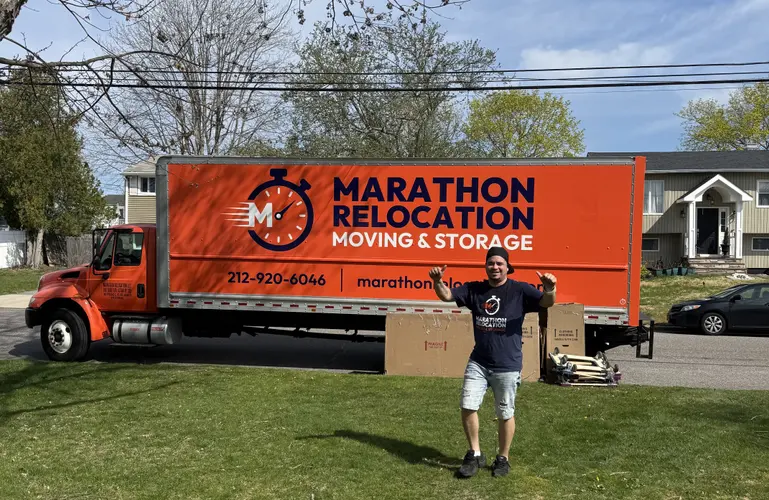
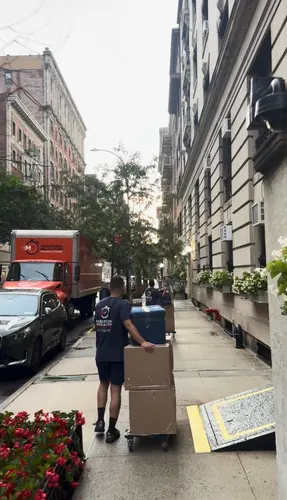
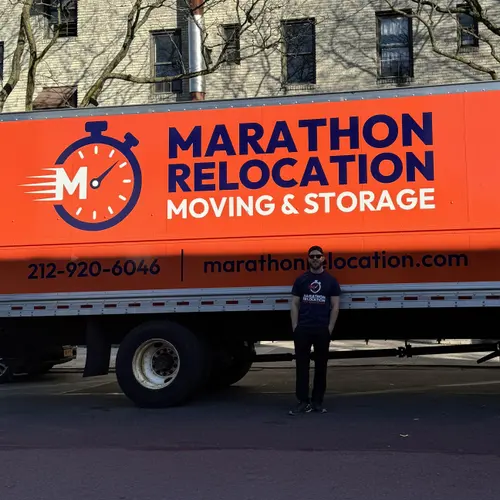
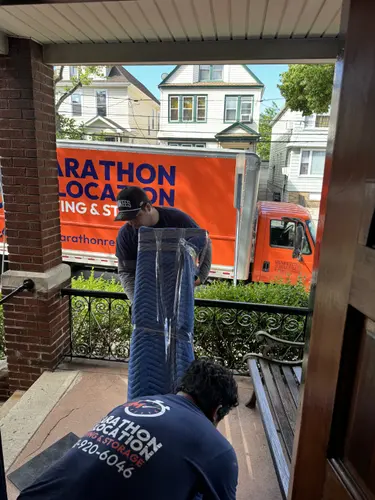
Marathon Relocation on the job





Ready to move
Get your quote today and let Marathon Relocation handle the heavy lifting
From local moves to storage and packing support, our team is ready to help you plan a smoother, simpler move with confidence.